Diario Etnografico Expo 2015 – Note dal Campo del 18/12/14

Edda Orlando • December 18, 2014

Edda Orlandi   Università degli Studi di Milano

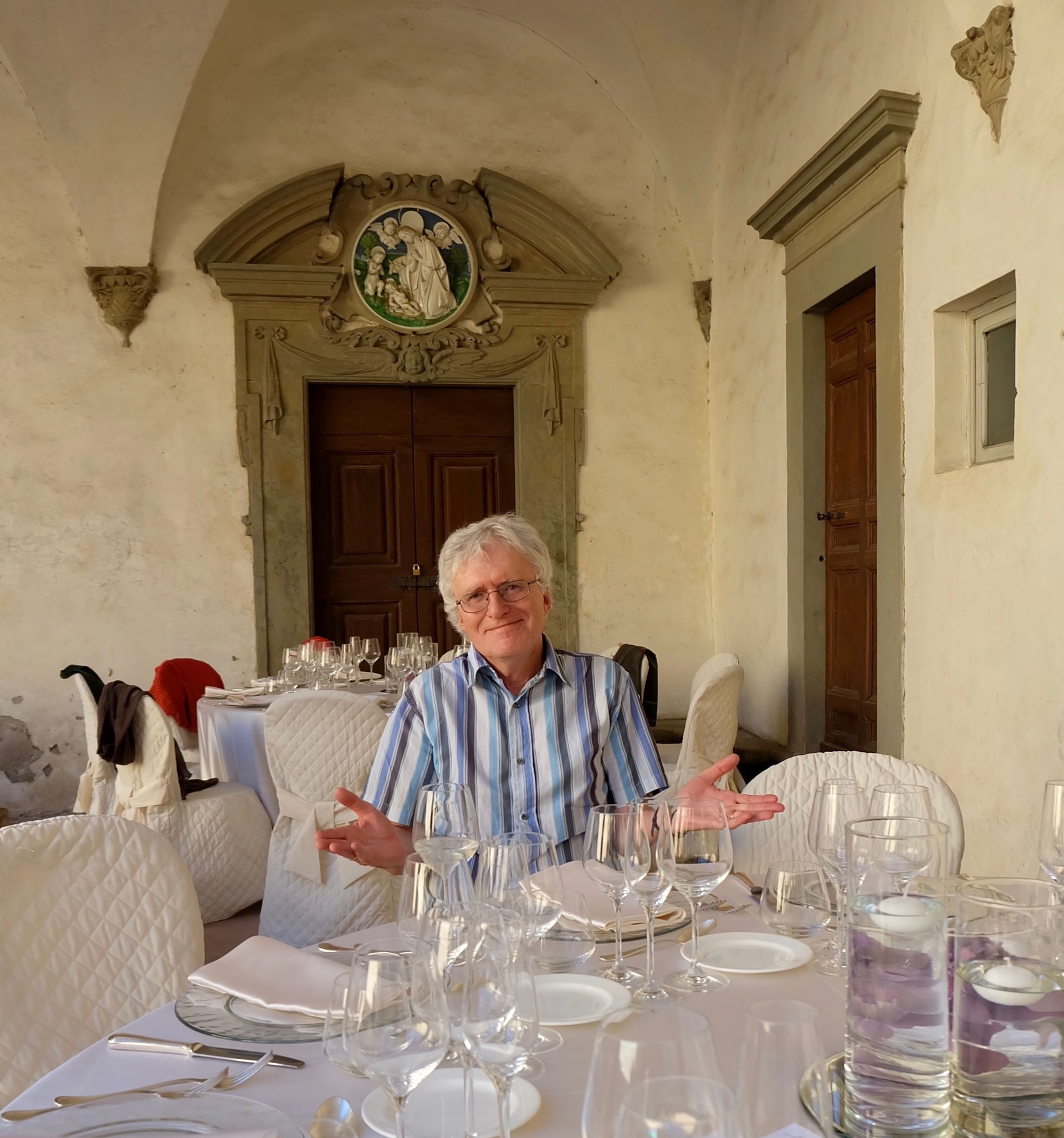
WP_20141218_10_32_41_Pro Immediatamente dopo il mio arrivo ho subito notato la costruzione di due nuovi tipi di manufatti edilizi di cui non si trova traccia nella letteratura antropologica milanesiana. Si può dunque ipotizzare che si tratti di innovazioni recentemente acquisite dall’esterno grazie al contatto con ignote popolazioni straniere. Anche se mi sfugge il legame con l’Expo 2015 mi pare di intuire, dai discorsi dei nativi, che si tratta di migliorie intraprese nel gruppo dei villaggi di Milano che hanno qualche connessione con questo evento.

Tali manufatti sono costituiti da alte torri (“grattacieli” nel linguaggio locale) e strade rosse (chiamate “piste ciclabili”) percorse da particolari mezzi di trasporto (le “biciclette)”. Dato il loro interesse in quanto recenti introduzioni nella cultura materiale locale ho ritenuto opportuno dedicarvi i miei primi giorni di osservazione partecipante. Ho dunque provveduto ad alloggiarmi in una capanna poco distante dal cantiere dove è in corso la costruzione di una di queste torri, mi sono procurata una “bicicletta” e ho appreso dai nativi come manovrarla e starvi in equilibrio. A dispetto di quella che a prima vista sembra un’impresa che richiede estrema perizia, sono stata in grado di apprenderne i rudimenti nel giro di pochi giorni. Il principio è infatti simile a quello della nostra canoa: finché ti muovi, non ti ribalti. Sono pienamente soddisfatta della scelta del mio alloggio, che mi permette di osservare i lavori di costruzione delle torri in corso. Si noti peraltro che l’importanza della costruzione è evidente per il fatto che il suo monitoraggio è affidato agli anziani del villaggio (nel linguaggio locale “i Veget che guarden gli Alter laurà”), i quali passano lunghe ore a scrutare e commentare i cantieri. La mia frequentazione della zona risulta dunque doppiamente proficua, perché avrò modo di interrogare agevolmente i saggi sulle tradizioni locali. Sono meno soddisfatta, invece, del mio uso della bicicletta, che è forse stata una scelta avventata. Benché io mi sia scrupolosamente informata su tutte le regole, i rituali e i tabù connessi chiedendo informazioni ad un Guardiano delle Strade (“ghisa” nel dialetto locale), ogni volta che mi aggiro tra i villaggi in sella a questo mezzo vengo rimbottata dai nativi con frasi come “sti ciclisti fanno sempre quello che vogliono loro!”, “eccone un’altra, non se ne può più…”, quando non vengo direttamente insultata. Stupita da questo comportamento, mi sono informata interrogando i miei vicini di capanna, e ho appreso dell’esistenza di due fazioni all’interno del territorio di Milano.

Queste due fazioni vengono identificate dalla popolazione locale con i sostenitori della costruzione delle torri da un lato, e con i ciclisti dall’altro. Anche se questa rivelazione mi lascia evidentemente compiaciuta per la mia brillante intuizione sull’importanza di questi due fenomeni, temo di essere stata identificata come la sostenitrice di una delle due fazioni (i ciclisti appunto). Maggiore cautela è necessaria d’ora in poi. Queste due fazioni, più precisamente, sono chiamate “la Lobby dei Poteri della Finanza e della Speculazione Edilizia” (i costruttori di torri) e “la Lobby dei Sinistroidi Radical-chic” (i ciclisti). Si noti tuttavia che la gran parte della popolazione locale non simpatizza né con gli uni né con gli altri, mentre le élite locali si esprimono positivamente sia nei confronti delle torri che delle biciclette, sia pure ostentando estraneità nei confronti di entrambe le parti. Bisogna dire inoltre che, per quanto le due fazioni vengano generalmente descritte come rivali, non mancano informatori che le accusano di essere in realtà in combutta tra loro. La faccenda merita senz’altro di essere investigata più approfonditamente. È indubbio, ad ogni modo, che questo costituisca un esempio lampante di come innovazioni di tale portata nella cultura materiale di una popolazione primitiva si accompagnino sempre a grandi rivolgimenti nella vita della comunità, e siano al tempo stesso occasioni attorno a cui si condensano interessi e conflitti preesistenti, che ne risultano esacerbati.
By admin April 5, 2025
It is almost one year since our colleague, friend, and former Chair of ACIS left us. We have asked former ACIS Chairs, Management Committee Members, and awardees to share their memories and thoughts. We are hoping to add more statements from anyone who knew David, especially while he was supporting ACIS. If you would like to share your memories with the ACIS community, please write to admin@acis.org.au . 
By Catherine Kovesi April 2, 2023
Two promising early career scholars – Lauren Murphy and Julia Pelosi-Thorpe – were the recipients of ACIS Save Venice Fellowships. Delayed due to COVID travel restrictions, they were finally able to access their Fellowships in 2022. Here they both reflect on their time in Venice and the benefits of the Fellowship to their respective research projects.
By Catherine Kovesi March 29, 2023
ACIS is delighted to announce that Professor Andrea Rizzi has been appointed the new Chair of the Australasian Centre for Italian Studies. He leads a renewed Management Committee with several new appointees who start their terms of office this year.
By Catherine Kovesi January 30, 2023
After a hiatus of three years due to travel restrictions, ACIS is delighted once again to be able to offer its Postgraduate Scholarships for Research in Italy. Two promising postgraduate students have been awarded scholarships in the current round: Brigette De Poi and Laura Di Blasi.
By Catherine Kovesi January 23, 2023
ACIS is delighted to announce the publication of Linetto Basilone's monograph, The Distance to China: Twentieth-Century Italian Travel Narratives of Patriotism, Commitment and Disillusion (1898-1985) (Oxford: Peter Lang, 2022) , which was supported in part through an ACIS 2022 Publishing Grant .
By Catherine Kovesi December 30, 2022
The ACIS Management Committee is delighted to announce that the inaugural David Moss Prize for Outstanding Contribution to Italian Studies in the region has been awarded to Emeritus Professor Nerida Newbigin. Professor Newbigin was presented with the prize by ACIS Patron, Santo Cilauro, at the recent 11 th ACIS Conference in Perth, on 13 December 2022. This prize is named to honour Professor David Moss, the founding Chair of the ACIS Management Committee, co-convenor of the first ACIS Conference held in Canberra at the ANU, and a tireless, enthusiastic and innovative champion of the cause of Italian Studies in Australasia. David was Professor of Italian and European Studies at Griffith University before achieving a rare distinction as a foreigner, the appointment as Professor of Cultural Anthropology at the University of Milan (the only foreign faculty member of a staff of 230).
By Catherine Kovesi August 22, 2022
The latest book by Dr Natalie Tomas, Selected Letters, 1514-1543, of Maria Salviati de' Medici , will be launched on 16 September, 6-7pm AEST by Professor Carolyn James. In 2020 Natalie Tomas was awarded one of the inaugural ACIS Publishing Grants to support the publication of Selected Letters, 1514-1543, of Maria Salviati de' Medici (University of Chicago Press, The Other Voice in Early Modern Europe. Toronto Series, 2022). We are now delighted to see the final product. Recent years have seen increasing interest in the life and influence of Maria Salviati de' Medici . Maria Salviati’s surviving correspondence documents a life spent close to the centres of Medici power in Florence and Rome, giving witness to its failures, resurrection, and eventual triumph. Presented here for the first time in English, this book is a representative sample of Maria’s surviving letters that document her remarkable life through a tumultuous period of Italian Renaissance history. While she earned the exasperation of some, she gained the respect of many more. Maria ended her life as an influential dowager, powerful intercessor for local Tuscans of all strata, and wise elder in Duke Cosimo I’s court. The Monash Centre for Medieval and Renaissance Studies (CMRS) is hosting the launch of Dr Tomas's book. Professor Carolyn James , Director of the Centre and an ACIS Cassamarca appointee as well as member of the ACIS Management Committee, will formally launch the book and there will then be an opportunity afterwards for discussion and questions with Dr Tomas. Registration for this online event is free, and can be found here . D etails of the book and how to purchase it can be found by clicking on the image above.
By Catherine Kovesi August 18, 2022
ACIS is delighted to welcome Dr Barbara Pezzotti as the latest ACIS Cassamarca Appointee in European Languages/Italian at Monash University. Monash University holds two of the prestigious ACIS Cassamarca positions. One of those positions is currently held by Professor Carolyn James . For the last several years the other position was held by Assoc. Professor Francesco Ricatti . However Francesco Ricatti's recent appointment to an Associate Professorship in Italian Studies at the Australian National University has opened up an opportunity for one of the ACIS community's most engaged and engaging members, Dr Barbara Pezzotti, to be inaugurated into the position. Dr Pezzotti gained her PhD at Victoria University of Wellington. She is also a Chercheur associé at the Centre de la Méditerranée Moderne et Contemporaine (Université Côte d’Azur). Her research interests include crime fiction and popular culture, literary geographies and utopian literature. She has published on Italian, Spanish, New Zealand and Scandinavian crime fiction. She is the author of The Importance of Place in Contemporary Italian Crime Fiction. A Bloody Journey (Teaneck, NJ: The Fairleigh Dickinson University Press, 2012); Politics and Society in Italian Crime Fiction: An Historical Overview (Jefferson, NC: McFarland, 2014); and Investigating Italy’s Past through Crime Fiction, Films and TV Series: Murder in the Age of Chaos (London: Palgrave MacMillan, 2016). Dr Pezzotti is the co-editor (with Jean Anderson and Carolina Miranda) of The Foreign in International Crime Fiction: Transcultural Representations (London: Continuum, 2012); Serial Crime Fiction. Dying for More (London and New York: Palgrave MacMillan, 2015); and Blood on the Table: Essays on Food in International Crime Fiction (Jefferson NC: McFarland, 2018). Her books have been positively reviewed in the most influential journals in Italian studies and in crime fiction/popular culture. They are also on the reading lists of crime fiction courses offered by UK and European universities. She is also the author of 24 peer-reviewed journal articles and 15 book chapters. Her current research project is provisionally entitled “Mediterranean Crime Fiction: Place, Gender, Identity”.
By Catherine Kovesi August 7, 2022
Launching the ACIS Visual and Performance Studies group 's project: 'Italian Cinemas in Melbourne from Post War Migration to The Movie Show (SBS).' There has been a great deal of interest in the first public event of the ACIS Visual and Performance Research Group’s project ‘Italian Cinemas in Melbourne from Post War Migration to The Movie Show (SBS).’ The launch event , sponsored by CO.AS.IT and to be held at their Melbourne premises on 16 August, is already fully subscribed with a waiting list. However you can hear about the initiatives of the project in this recent interview with one of the group’s chief investigators, Elisabetta Ferrari, on SBS radio. The project team is Santo Cilauro (Working Dog), Elisabetta Ferrari (University of Melbourne), Mark Nicholls (University of Melbourne), and Susanna Scarparo (University of Sydney). Their project aims to provide a comprehensive overview of ways in which Italian language cinemas contributed to the reception and distribution of Italian cinema in Melbourne from the post-WWII mass migration period until the advent of SBS in the late 1970s. For a great number of migrants, Italian language cinemas represented an important way to connect to their cultural heritage while also providing significant social and recreational opportunities. In the pre-SBS period various Melbourne cinemas and improvised screening spaces were dedicated to screening films exclusively in Italian. Consequently, the Italian language cinemas contributed significantly to reinforcing the developing multiculturalism in Melbourne. If you are interested in hearing more about the project, and/or have stories or items that may be of interest for the group's forthcoming Italian Cinemas in Melbourne Podcast and Italian Cinema Posters exhibition, please contact either Elisabetta Ferrari or Mark Nicholls
Show More